
The Secret Ingredient Behind Exceptional Cooking
Why Professional Chefs Are Paying Attention to Water — and What Australian Kitchens Can Learn from Japan
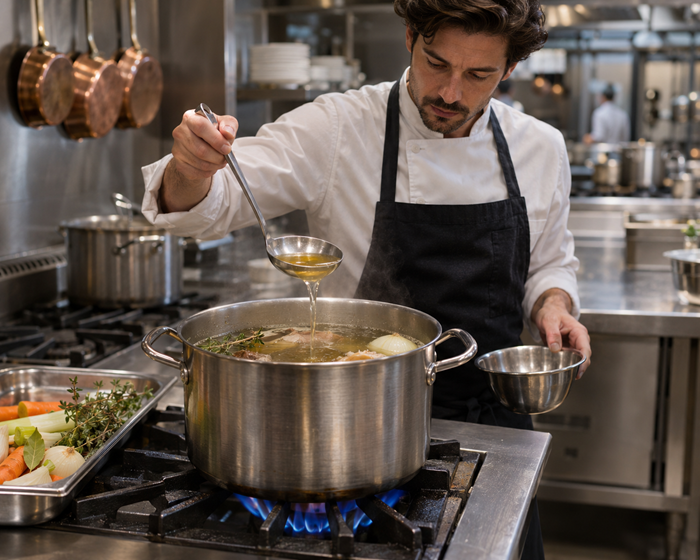
Every great chef knows that exceptional food begins with exceptional ingredients — fresh seafood, premium cuts of meat, seasonal vegetables, carefully selected herbs and spices. But what about the ingredient that goes into almost everything we cook?
Water may be the most underestimated ingredient in a professional kitchen. In Japan, where culinary craftsmanship places extraordinary emphasis on subtle flavours, some professional chefs have taken a much closer look — and their experiences with Proton Water offer a compelling perspective for Australian restaurants, cafés and hospitality businesses.
Water Is More Than Just a Cooking Medium
Water doesn’t simply heat food. It interacts with ingredients throughout the entire cooking process. The mineral composition, pH and other chemical characteristics of water can influence how substances dissolve, how flavours are extracted and how foods behave during preparation.
The importance of water chemistry is particularly well established in specialty coffee, where hardness and alkalinity can noticeably affect extraction and flavour balance. But the principle extends to the whole kitchen — water is often an ingredient in its own right.
“If every other ingredient receives careful attention, shouldn’t the water deserve consideration too?”
Consider a classic French stock. A chef may spend hours roasting bones, preparing vegetables, carefully skimming impurities and slowly reducing the liquid to achieve ideal concentration. Throughout that entire process, water is the medium carrying the flavours. The quality of that medium is not incidental — it is part of the dish.
Japan · French Culinary Tradition
When French Culinary Tradition Meets Japanese Water Technology
One of the most interesting accounts of Proton Water in professional cooking comes from a French restaurant in Japan. The restaurant’s chef had been exploring the importance of water in preparing fond — the stocks that form the foundation of classical French sauces.
After introducing a Proton Water generator into the kitchen, the chef reported a noticeable difference in how the natural savoury flavours of ingredients came through in stocks and sauces — particularly in the depth of flavour achieved in vegetable-based preparations.
In the published account, the chef also recalled receiving praise from a respected Japanese culinary critic, who commented favourably on the sauces, vegetables and dressings.
Important context: The experience above reflects a chef’s personal observations rather than an independently controlled comparison. It provides a practical example of how water selection has become part of one professional kitchen’s approach to quality — not a proof of universal results. What makes the story meaningful is not the idea of a miracle ingredient, but the attention given to something most kitchens take for granted.
Real Hospitality Businesses Are Already Using Proton Water
The interest in Proton Water is not limited to individual cooking experiments. In Japan, hospitality operators have incorporated it into their daily food and beverage service — not as an occasional specialty product, but as part of everyday preparation.
One establishment publicly describes using Proton Water throughout its drinks and food preparation, highlighting its smooth mouthfeel and its perceived contribution to the overall dining experience. The business has incorporated the water into its everyday hospitality offering — not as a novelty, but as a considered ingredient choice.
This is a meaningful distinction. For restaurant owners, the example demonstrates how water selection can become part of a broader commitment to thoughtful food and beverage preparation — even if individual results will naturally vary by kitchen, ingredients and cooking methods.
Broader Context
What Have Other Professional Chefs Observed?
Interest in cooking with specially treated water extends beyond Proton Water. In a Japanese food industry news report, a professional chef described preparing rice and vegetables using electrolysed hydrogen-rich water.
The chef reported differences in the appearance and perceived sweetness of cooked rice, as well as the tenderness and flavour of prepared vegetables. Participants at the tasting event also commented positively on the texture of the rice.
Although the demonstration involved a different manufacturer’s water technology, it provides additional context for the broader culinary interest in electrolysed water. These observations were reported in ORICON NEWS in January 2013.
The results were subjective and should not be interpreted as proof that all hydrogen-rich waters produce identical cooking outcomes. They do, however, reinforce an important point: professional cooks have been experimenting with cooking water as a variable in food preparation for years.
Five Areas Worth Exploring in Your Kitchen
For restaurant owners and chefs interested in improving their food offering, water provides an opportunity for practical experimentation. Here are five areas where the choice of cooking water may be worth investigating.
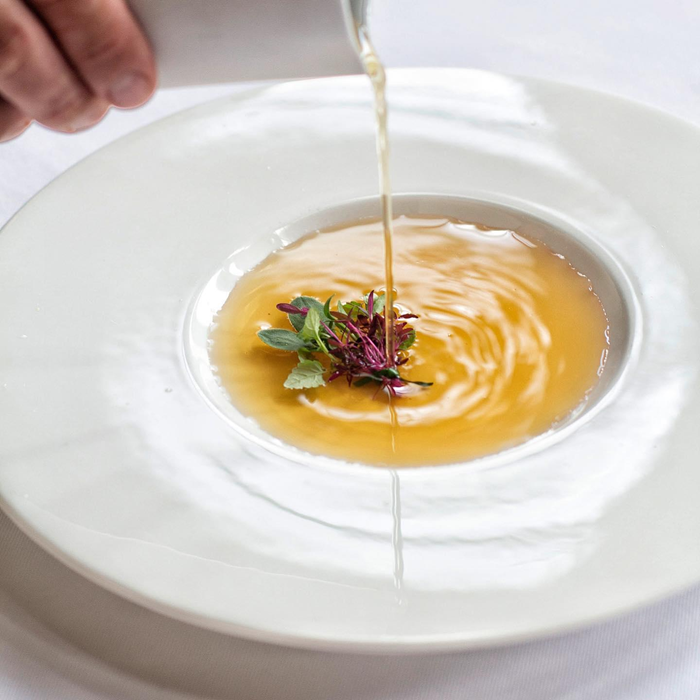
Stocks are among the most water-dependent preparations in a professional kitchen. From a delicate vegetable consommé to a rich chicken stock or slow-cooked beef broth, the finished product relies on the extraction and balance of flavours from its ingredients.
Exploring different cooking waters may reveal sensory differences worth investigating. For restaurants serving soups, sauces and braised dishes, this is an ideal starting point.
A beautifully balanced sauce can transform a good dish into an exceptional one. Whether preparing a classic jus, velouté, seafood reduction or vegetable-based sauce, water plays a role in the initial extraction and concentration of flavours.
Professional chefs already adjust salt, acidity, temperature and reduction time with precision. Water quality is another variable that can be assessed.
The way vegetables and grains interact with water can influence their final texture and eating quality. Rice, legumes and other grains absorb substantial amounts of water during preparation.
Vegetables may also respond differently to variations in water chemistry, depending on the ingredient and cooking method. For businesses seeking consistency and optimal texture, testing the water used for cooking and soaking may be worthwhile.
For cafés and beverage-focused businesses, water deserves particular attention. The Specialty Coffee Association recognises that water chemistry — especially mineral content and alkalinity — plays an important role in coffee extraction and flavour.
A Japanese barista also documented a personal experiment with electrolysed hydrogen-rich water, reporting differences in aroma, bitterness and perceived smoothness across several coffee preparations. It illustrates why beverage professionals may find water comparisons worthwhile.
Water is also part of the dining experience itself. Many premium restaurants carefully select their wines, spirits, coffee and teas, yet give comparatively little thought to the drinking water served at the table.
For establishments that emphasise ingredient quality and attention to detail, offering a thoughtfully selected drinking water can complement their broader hospitality philosophy — and an informed explanation of the water used in the kitchen may also provide an interesting point of conversation with guests.
A Simple Experiment for Your Professional Kitchen
You don’t need to change your menu or invest in new cooking techniques to explore the possibilities. Start with a dish you already know exceptionally well.
For Chefs Who Believe Every Ingredient Matters
Great Cooking Has Always Been About Curiosity
The finest restaurants constantly refine their techniques in pursuit of more satisfying flavours and memorable experiences. Water may not be the first ingredient that comes to mind when considering improvements in a professional kitchen.
But perhaps it should be part of the conversation. Experiences shared by chefs and hospitality operators in Japan demonstrate that Proton Water has found a place in some professional food preparation and service environments.
“You already choose your ingredients with care. Why not give your water the same consideration?”
Restore Water brings Japanese Proton Water technology to Australia. For hospitality professionals, the invitation is straightforward: explore water quality with the same curiosity you bring to every other ingredient in your kitchen.
Discover What Restore Water Could Bring to Your Kitchen
If you operate a restaurant, café, catering business or professional kitchen in Australia, we’d welcome the opportunity to introduce you to Proton Water. Begin with a simple comparison and experience the difference for yourself.
Explore Restore Water → Also discover the Restore 369 Water Generator for your kitchen